JIS Institute of Advanced Studies and Research

Author name: Devjisiasrweb26

Global Sustainability
Events

TECHNOLOGY INNOVATIONS FOR GLOBAL SUSTAINABILITY

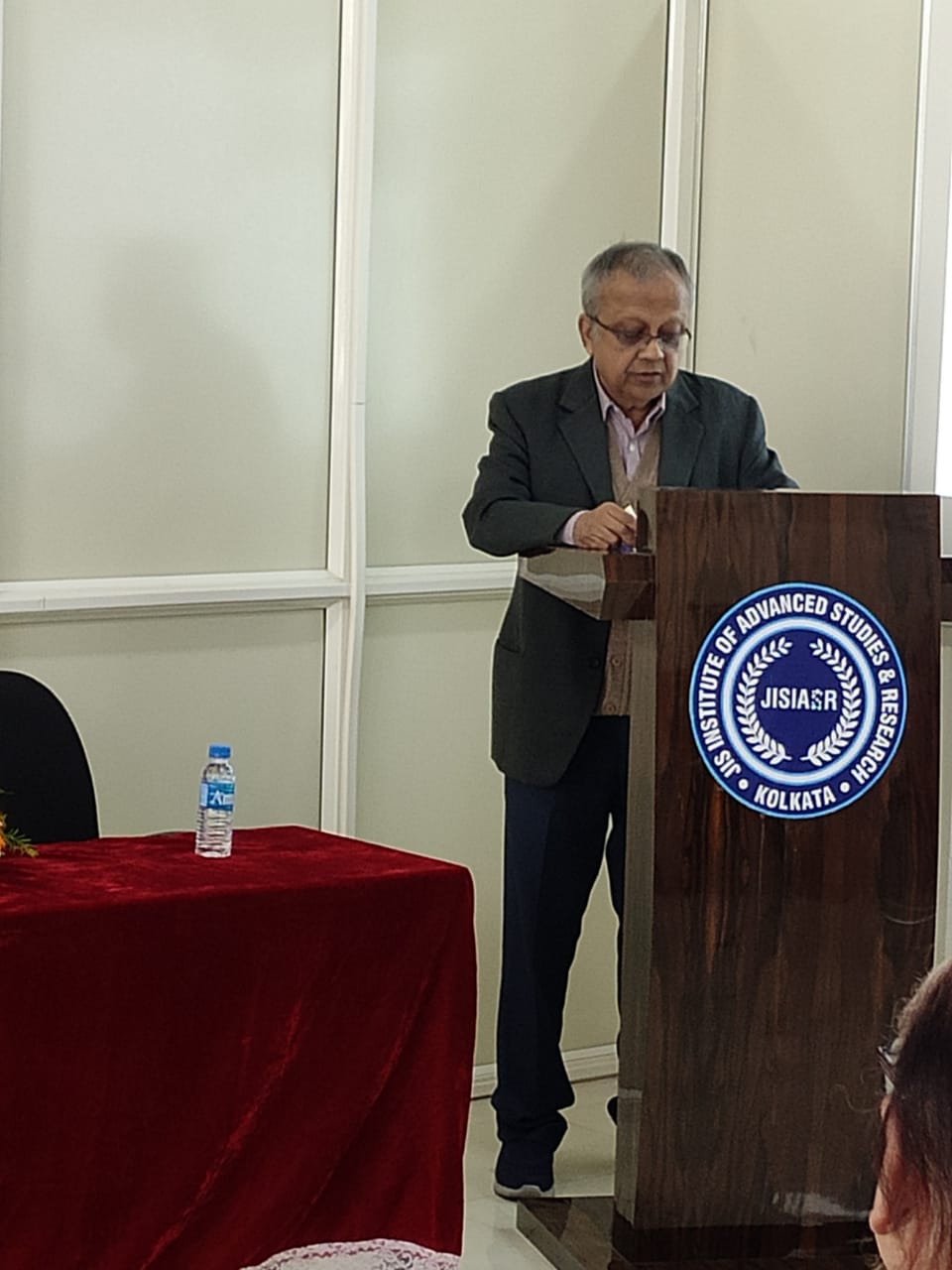
JIS INSTITUTE OF ADVANCED STUDIES AND RESEARCH KOLKATA AND ADI ASSOCIATES USA ALONG WITH GAABESU,IIEST SHIBPUR ORGANISE 2 DAY CONFERENCE THEME: SUSTAINABILITY CHALLENGES AND ROAD MAP TO FUTURE CONFERENCE DATES : 17th January -18th January 2020 VENUE 1 : on 17th January 2020 at JIS INSTITUTE OF ADVANCED STUDIES AND RESEARCH KOLKATA; ARCH WATERFRONT ,17th FLOOR, SECTOR 5, SALT LAKE: KOLKATA PROGRAM DURATION: 1 P.M. to 5:30 P.M. THEME: INNOVATIVE PRODUCTS & SERVICES TO ADDRESS SUSTAINABILITY VENUE 2 : on 18th January, 2020 at LALIT GREAT EASTERN, KOLKATA:1,2,3 Old Court House Street , Dalhousie, Kolkata-700069: PROGRAM DURATION: 9.30A.M. to 5.15 P.M.

Nanaoparticle
Events

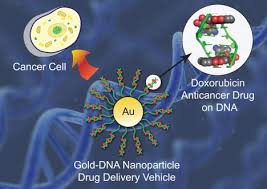
Development of gold nanoparticle based drug delivery and biosensor for visceral leishmaniasis

Location: JISIASR Kolkata Invited Speaker: Dr. Debabrata Mandal, Associate Professor, Dept. of Biotechnology, NIPER KOLKATA Abstract – The study of neglected diseases like leishmaniasis, a parasitic disease, has not received much attention even though it is the second largest infectious disease after malaria. As per WHO report, a total of 0.7–1.0 million new leishmaniasis cases, which is spread by 23 Leishmania species in more than 98 countries, are estimated with an alarming 26,000–65,000 death toll every year. Lack of potential vaccines along with cost and toxicity of amphotericin B (AmB), the most common drug for treatment of visreal leishmaniasis (VL), has raised the interest significantly for new formulations and drug delivery systems including gold nanoparticle (GNP)-based delivery as anti-leishmanial agents. Our study aimed to develop a water-soluble covalent conjugate of GNP with AmB (GL-AmB) for improved antileishmanial efficacy and reduced cytotoxicity.The nanoparticles, synthesized by carboxyl-to-amine coupling chemistry, were characterized by dynamic light scattering, transmission electron microscopy (TEM), and spectroscopic (UV–visible and infrared) methods. Experiments on AmB uptake of macrophages, ergosterol depletion of drug-treated parasites, cytokine ELISA, fluorescence anisotropy, flow cytometry and gene expression studies established improved efficacy of GL-AmB over standard AmB formulation. In another study, we have developed direct one step detection of parasite DNA and associated drug-resistance, if any, in suspected VL patients. The GNP-based biosensor was used to detect single nucleotide polymorphism (SNP) present in different chromosomal regions of resistant strains and altered mRNA expression level that differentiates drug-resistant vs. -sensitive strains.

Diganta-Mukherjee
Events

Feasibility of Automation in Price Setting for Tea Auctions

Location: Kolkata Invited Speaker: Dr. Diganta Mukherjee Bio-sketch : Dr. Diganta Mukherjee, BStat, MStat, PhD (Economics) all from Indian Statistical Institute. Research interests are Welfare & Development Economics in general and multidimensional poverty in particular. He is also active in the area of Finance, particularly mathematical models for pricing contracts and Analysis and modelling of Network data. Ex-faculty, Jawaharlal Nehru University, Essex University, ICFAI Business School. Now faculty at the Indian Statistical Institute. Has over 80 research publications in national and international journals and authored three books.Has been involved in projects with large corporate houses and various ministries of Government of India and West Bengal Government.Acting as technical advisor to Multi-Commodities Exchange, Reserve Bank of India, Securities and Exchange Board of India, National Sample Survey Office, National Accounts Division (Central Statistical Office).

Vishal
Events

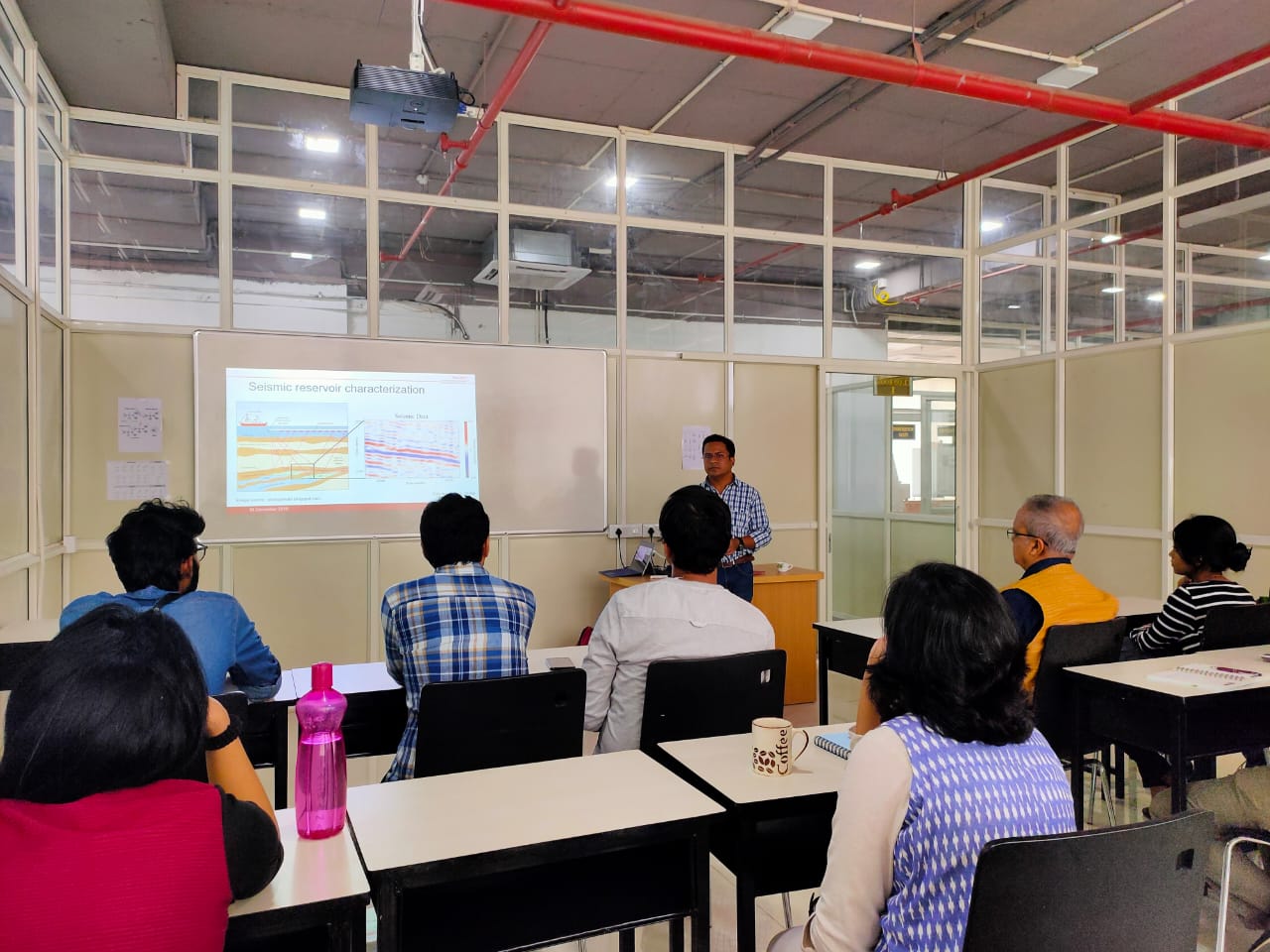
Deep learning for seismic reservoir characterization

Location: Kolkata Invited Speaker: Mr. Vishal Das Bio: Vishal Das received an M.S. in applied geophysics from the Indian Institute of Technology (Indian School of Mines), Dhanbad and an M.S. in geophysics from Stanford University. He is a Ph.D. student at the Stanford Rock Physics and Borehole Geophysics Project, Stanford University. He worked as a geoscientist for three years at Schlumberger, India. His research interests include machine learning, numerical and statistical methods for rock physics, and quantitative seismic interpretation.

Scroll to Top