

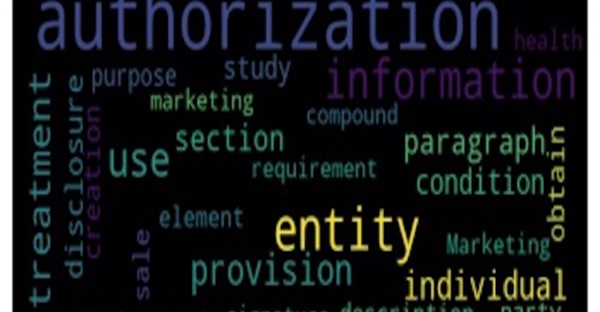
End-to-end framework for extracting NLACPs from Natural Language Documents (Jointly with Dr. Saptarshi Das)
NLACPs, or Natural Language Application Condition Patterns, are crucial elements in building robust and flexible Natural Language Processing (NLP) applications. They capture the contextual conditions under which specific NLP tasks should be triggered or specific interpretations should be applied. Extracting NLACPs accurately and efficiently from natural language documents is a significant challenge in NLP research. The overall procedure for extracting NLACPs from natural language documents is as follows: Challenges and Considerations: Furthermore, ongoing research continues to explore new approaches for NLACP extraction, including leveraging deeper learning models, exploiting external knowledge sources, and incorporating active learning techniques. As research progresses, the accuracy and efficiency of NLACP extraction are expected to further improve, unlocking the full potential of context-aware NLP applications.
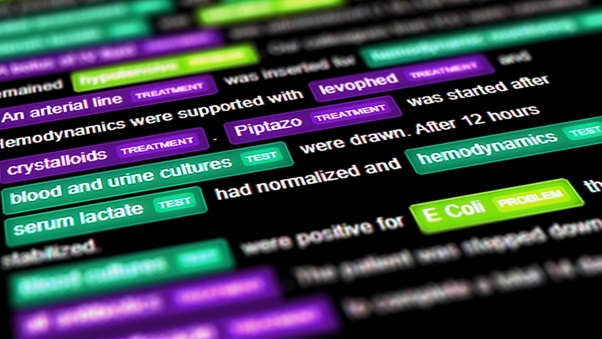
Biomedical Natural Language Processing: (Jointly with Dr. Saptarshi Das)
BioNLP is a specialized field of Natural Language Processing (NLP) that focuses on applying NLP techniques to the vast and complex realm of biomedical texts. These texts encompass a wide range of resources, including: Here’s how it works: BioNLP utilizes NLP techniques to extract, analyze, and interpret valuable insights from these vast troves of biomedical information. Some key tasks within BioNLP include: Importance: BioNLP plays a crucial role in advancing various areas of biomedical research and healthcare: The Future of BioNLP: The field of BioNLP is rapidly evolving, fueled by advancements in NLP technologies and the ever-growing volume of biomedical data. Some exciting trends shaping the future of BioNLP include: Overall, BioNLP holds immense potential to revolutionize the way we understand, analyze, and utilize biomedical information, ultimately leading to improved healthcare outcomes and a healthier future for all.
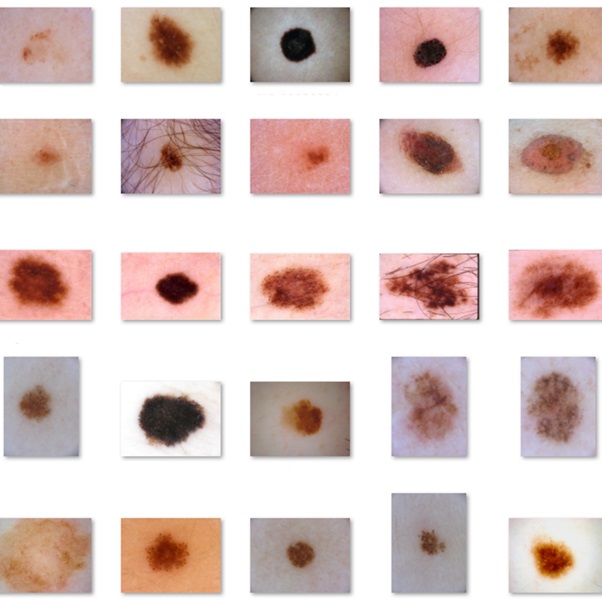
ML-assisted Skin Disease Detection:(Jointly with Dr. Kausik Basak)
The use of image processing for skin disease detection is a rapidly developing field with the potential to revolutionize healthcare. It offers a non-invasive, potentially low-cost alternative to traditional diagnostic methods, often with faster results. Here’s an overview of how it works: Technologies used in skin disease detection: Benefits of image processing for skin disease detection: Challenges and limitations:

AI-Enabled Access Control Models: (Jointly with Dr. Chirantana Mallick)
AI-enabled attribute-based access control (ABAC) is a next-generation security approach that takes access control to a new level. It leverages the power of artificial intelligence (AI) to dynamically grant or deny access to resources based on a rich set of attributes associated with users, resources, and the environment. Here’s how it works: Attribute-based decision-making: Instead of relying on predefined roles or groups, ABAC considers a variety of attributes like user location, device type, time of day, data sensitivity, and even user behavior patterns. Benefits of AI-enabled ABAC: Here are some real-world applications of AI-enabled ABAC: Challenges and considerations:
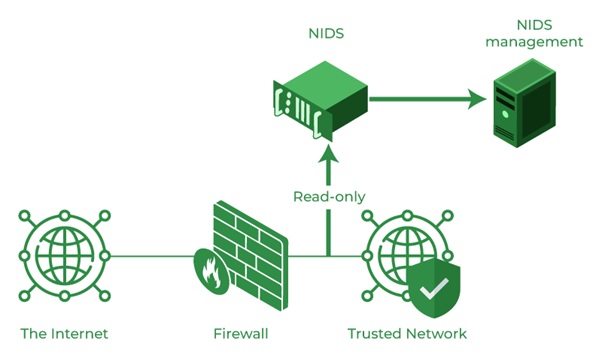
Intelligent Intrusion Detection Systems: (Jointly with Dr. Chirantana Mallick)
Intelligent Intrusion Detection Systems (IIDS) are the next generation of security solutions that leverage advanced technologies like machine learning and artificial intelligence to combat cyber threats. They offer significant advantages over traditional intrusion detection systems (IDS) in terms of: Enhanced Detection: Improved Efficiency: Here are some key components of IIDS: Examples of IIDS applications: Current challenges and future directions:

Invited Lecture by Dr. Nilanjan Dey
Invited Lecture by Dr. Nilanjan Dey (Assistant Professor; Department of Chemistry Birla Institute of Technology and Science Pilani, Hyderabad campus)at JISIASR, Saltlake, Kolkata from 2 P. M on 01.03.2024
