JIS Institute of Advanced Studies and Research

Research

End-to-end framework for extracting NLACPs from Natural Language Documents (Jointly with Dr. Saptarshi Das)
Research

End-to-end framework for extracting NLACPs from Natural Language Documents (Jointly with Dr. Saptarshi Das)

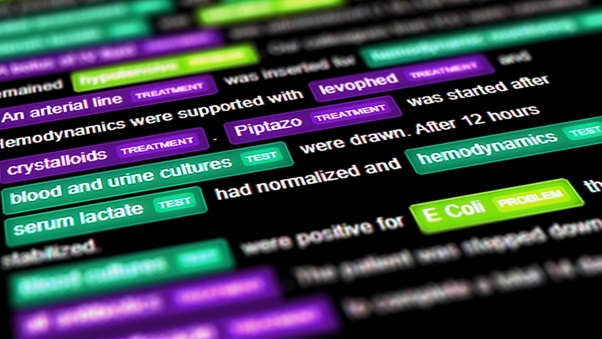
NLACPs, or Natural Language Application Condition Patterns, are crucial elements in building robust and flexible Natural Language Processing (NLP) applications. They capture the contextual conditions under which specific NLP tasks should be triggered or specific interpretations should be applied. Extracting NLACPs accurately and efficiently from natural language documents is a significant challenge in NLP research. The overall procedure for  extracting NLACPs from natural language documents is as follows: Challenges and Considerations: Furthermore, ongoing research continues to explore new approaches for NLACP extraction, including leveraging deeper learning models, exploiting external knowledge sources, and incorporating active learning techniques. As research progresses, the accuracy and efficiency of NLACP extraction are expected to further improve, unlocking the full potential of context-aware NLP applications.

Biomedical Natural Language Processing: (Jointly with Dr. Saptarshi Das)
Research

Biomedical Natural Language Processing: (Jointly with Dr. Saptarshi Das)

BioNLP is a specialized field of Natural Language Processing (NLP) that focuses on applying NLP techniques to the vast and complex realm of biomedical texts. These texts encompass a wide range of resources, including: Here’s how it works: BioNLP utilizes NLP techniques to extract, analyze, and interpret valuable insights from these vast troves of biomedical information. Some key tasks within BioNLP include: Importance: BioNLP plays a crucial role in advancing various areas of biomedical research and healthcare: The Future of BioNLP: The field of BioNLP is rapidly evolving, fueled by advancements in NLP technologies and the ever-growing volume of biomedical data. Some exciting trends shaping the future of BioNLP include: Overall, BioNLP holds immense potential to revolutionize the way we understand, analyze, and utilize biomedical information, ultimately leading to improved healthcare outcomes and a healthier future for all.

ML-assisted Skin Disease Detection:(Jointly with Dr. Kausik Basak)
Research

ML-assisted Skin Disease Detection:(Jointly with Dr. Kausik Basak)

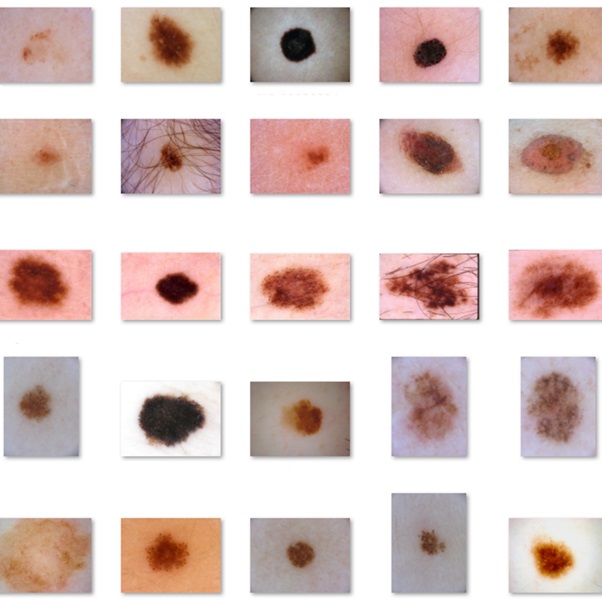
The use of image processing for skin disease detection is a rapidly developing field with the potential to revolutionize healthcare. It offers a non-invasive, potentially low-cost alternative to traditional diagnostic methods, often with faster results. Here’s an overview of how it works: Technologies used in skin disease detection: Benefits of image processing for skin disease detection: Challenges and limitations:

AI-Enabled Access Control Models:  (Jointly with Dr. Chirantana Mallick)
Research

AI-Enabled Access Control Models:  (Jointly with Dr. Chirantana Mallick)

AI-enabled attribute-based access control (ABAC) is a next-generation security approach that takes access control to a new level. It leverages the power of artificial intelligence (AI) to dynamically grant or deny access to resources based on a rich set of attributes associated with users, resources, and the environment. Here’s how it works: Attribute-based decision-making: Instead of relying on predefined roles or groups, ABAC considers a variety of attributes like user location, device type, time of day, data sensitivity, and even user behavior patterns. Benefits of AI-enabled ABAC: Here are some real-world applications of AI-enabled ABAC: Challenges and considerations:

Intelligent Intrusion Detection Systems: (Jointly with Dr. Chirantana Mallick)
Research

Intelligent Intrusion Detection Systems: (Jointly with Dr. Chirantana Mallick)

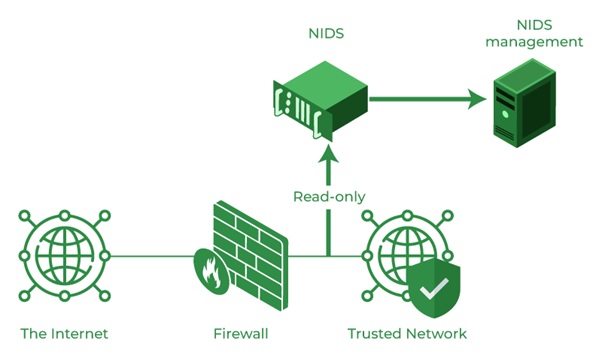
Intelligent Intrusion Detection Systems (IIDS) are the next generation of security solutions that leverage advanced technologies like machine learning and artificial intelligence to combat cyber threats. They offer significant advantages over traditional intrusion detection systems (IDS) in terms of: Enhanced Detection: Improved Efficiency: Here are some key components of IIDS: Examples of IIDS applications: Current challenges and future directions:

Research

3D bioprinting for artificial skin/ organ using tissue engineering

In this project (funded by SERB), the fabrication of structurally modified scaffold with biocompatible polymer materials such as chitosan, cellulose, and hyaluronic acid iselectrospunfollowed by bioprintedto guide cell polarization and migration, through which epidermal wound healing may get accelerated. This technology may open up a new possibilities for artificial organ/ skin printing.

Research

Smart Sensors & Advanced Materials:

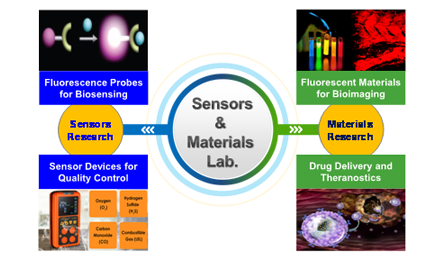
A summary of the targeted research in the “Sensors & Materials Laboratory” is shown in the below diagram by mentioning the associated ongoing researches. It covered the basic research on biosensing and bioimaging through the development of 1) Fluorescent Sensors/Probes for Biosensing, and 2) Fluorescent Materials for Bioimaging. Those basic researches on sensing and imaging materials are currently using for the application oriented research towards- 3) Development of sensor device for quality control of environmental samples, and 4) Drug Delivery and Theranostics for Cancer. In short, the research in this group is mainly focused on the development of novel fluorescent sensing materials and probes/sensors/assay kits, and their application for bio-sensing and patho-biological analysis, as well as innovation of sensor technology (in combination with electronics and IoT) for global sustainability.

Research

Designing Novel Therapeutic Agents for Amyloid Aggregation Process & Novel Nanoparticulate Systems for Drug Delivery

Protein fibrillation, which has caused a number of diseases and is a hindrance to the biopharmaceutics and protein industries, has emerged as one of the significant issues in the biomedical sector over the past few decades.  Numerous substances, including flavonoids, surfactants, nanoparticles, and micelles, have been widely used as hopeful therapeutic agents to treat amyloidogenic disorders like Alzheimer’s, Parkinson’s, Huntington’s, type 2 diabetes, etc. Membrane disruption, organ malfunction, and apoptosis are all caused by the oxidative damage that fibrillar aggregate deposition causes to cellular membranes. Therefore, it is essential to discover new substances that can block the process of protein fibrillation. Here, our main goal is to create brand-new therapeutics that could revolutionise the way we treat neurodegenerative diseases caused by aggregation. We believe that a thorough understanding of the way in which therapeutic medicines interact with amyloid aggregates at various phases of fibrillation will contribute to a better understanding of the aggregation process’s mechanism. This can be used as a powerful design tool to create brand-new inhibitors that are powerful enough to effectively treat neurodegenerative conditions and advance our understanding of protein aggregation. Our another major research interest is in the field of nanomaterials & drug delivery. The low water solubility and poor bioavailability of certain phenolic chemicals, such as flavonoids, terpenoids, and their metal complexes, limits their use in the biomedical area. The stability and bioavailability of these substances will be improved by encapsulating them in protein- and polymer-based nanoparticulate systems. The creation of innovative nano-formulations is anticipated to offer an efficient means of delivering flavonoids and flavonoid-metal complexes to the desired target site and enhancing their antibacterial and anticancer capabilities. This type of delivery technology benefits from efficient encapsulation, controlled release, precise targeting, and biodegradable characteristics. It will be possible to learn more about medication distribution by seeing how synthesized nano-formulations interact with lipids, nucleic acids, or serum albumins.

Scroll to Top