JIS Institute of Advanced Studies and Research

Author name: Devjisiasrweb26

Basak_research2
Research

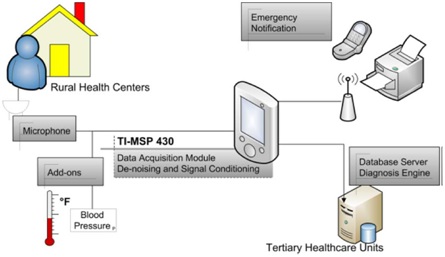
An ultra-low-powerMSP430-based embedded system and associated computational algorithm to develop a point-of-care cardiac pre-screening device

The system is a point-of-care (POC) device that can deliver heart-care services to the rural population and bridge the rural–urban divide in healthcare delivery.Normal heart sounds provide an indication of the general state of the heart in terms of rhythm and contractility, while changing its signature due to any cardiovascular pathology for additional murmurs that contributesignificant information in diagnosis. Eventually, the presence of lung sound affects the signature characteristics of heart sound when mixed with the later one in spatio-temporal domain, further separation of which becomes difficult through normal filtering approaches. This work aims todetermine a framework for utilization of automated HS analysissystem for community healthcare and healthcare inclusion. It focuses on the development of a standalone system using a TI-MSP430, aiming to acquire and filter the heart sound signal based on modern signal processing algorithms.Initially, the acquired sound waves are passed through a band pass filter bank followed by an amplification unit, enabling elimination of high frequency noise signals and subsequent amplification of the signal of interest. When captured at MSP430 terminal, the microcontroller converts the analog signal into its digital counterpart, maintaining Nyquist rate and stores the time-sequence data into its on-board memory blocks. The computational algorithm, based on adaptive and wavelet signal processing techniques, integrated on the hardware platform further process the acquired data to reduce the effect of lung sound from the composite signal through various statistical measures. Output of the MSP430 system can be either fed to a digital display or microphone system for accurate determination of the heart sounds which can provide diagnostic clinical inference about the heart in health and pathology.

Basak
Research

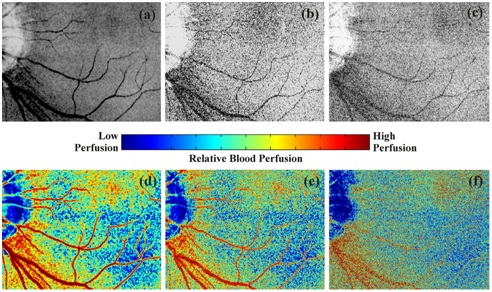
Non-invasive andin vivo dynamic imaging of microvasculature and tissue perfusion using laserspeckle contrast technique

A relative measurement of blood flow changes is of major importance in the clinical domain for quantifying vascular change due to tissue injury or diseased condition. In superficial organs (viz. eye, skin), changes in blood flow are caused by different risk factors: atherosclerosis, blockage due to abnormal deposition of extracellular matrix within blood vessels, high cholesterol profile, diabetes and other inflammatory disorders like burn injury, wounds, as well as growth of benign and malignant tumours (lesions). These pathological conditions cause improper supply of oxygen and nutrients to the cells, affecting the functional and structural integrity of vasculature. In this context, Laser speckle contrast imaging (LSCI) provides a low-cost solution with high resolution probing facility among blood flow imaging modalities like: laser Doppler flowmetry, Doppler optical coherence tomography, polarization spectroscopy, photo-acoustic tomography, magnetic resonance imaging etc. This work presents speckle contrast imaging technique for in vivo imaging of microvasculature and blood perfusion in different physiological conditions. The objective is to develop computational algorithms for processing speckle images and evaluates its efficacy for quantifying changes in blood flow during abnormal state. This probing mechanism can be utilized for different applications like: detection and tracking of emboli in vascular model, changes in blood perfusion in skin flaps, changes in retinal blood perfusion due to external stimuli or various ocular pathologies, non-invasive and label free retinal angiography for the pathologies aggravating neovascularization, functional characterization of various cutaneous woundsand their stages of progression for periodic healing study etc.

MOU IIT KGP and JISIASR
News

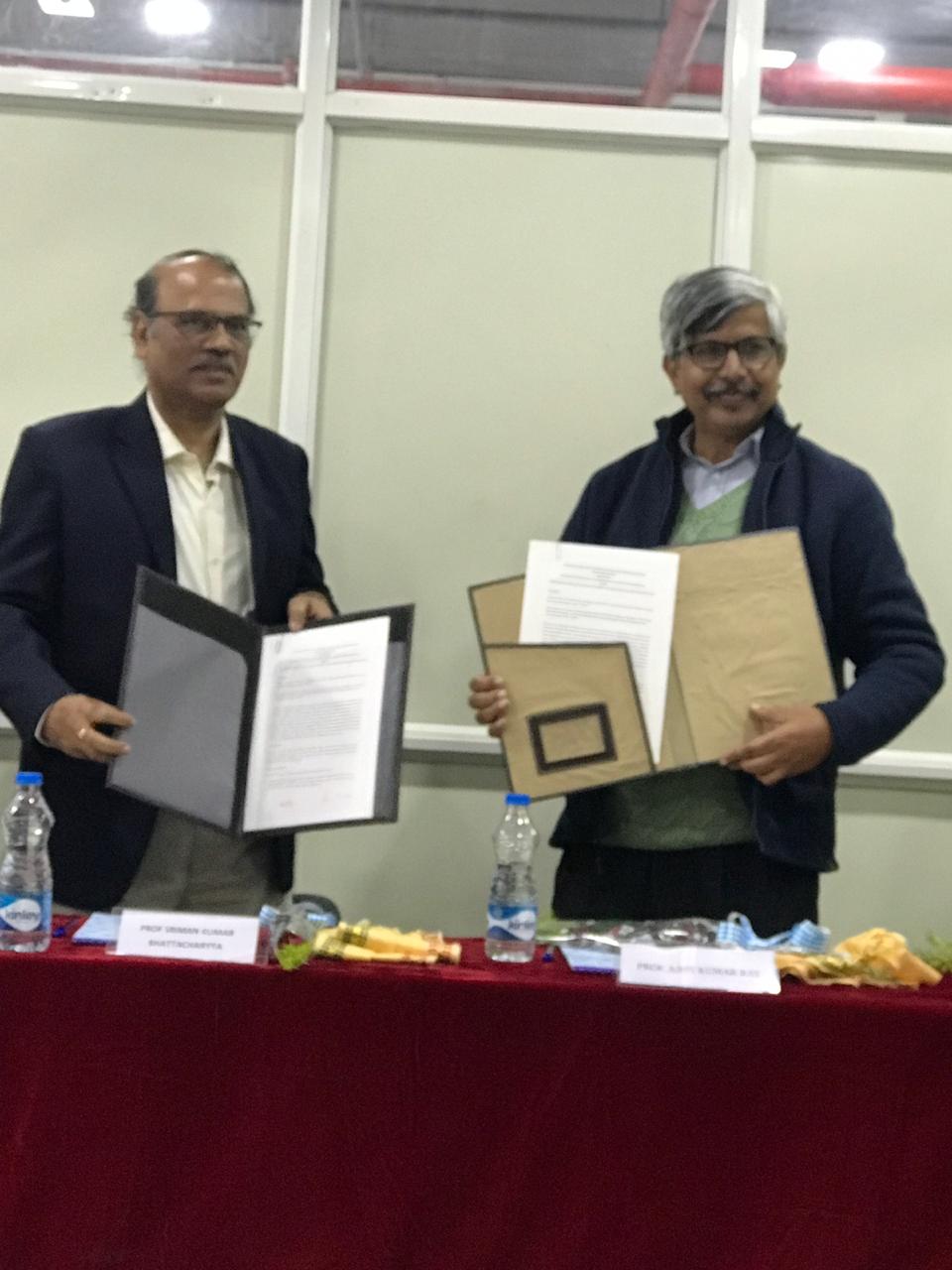
MOU FOR INSTITUTIONAL COLLABORATION BETWEEN IIT KHARAGPUR AND JISIASR KOLKATA

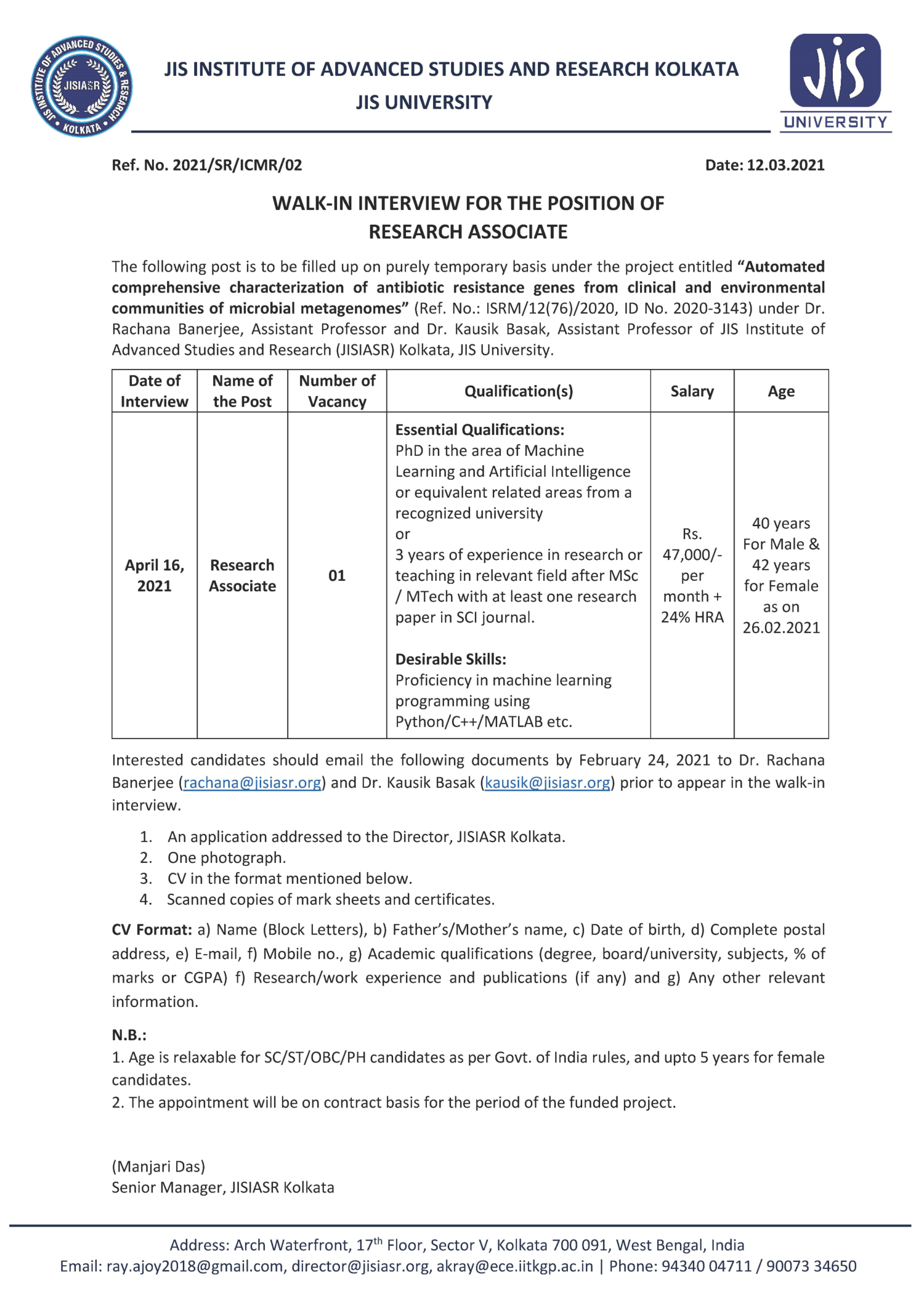
Indian Institute of Technology Kharagpur (IITKGP) is a reputed institution of higher learning situated at Kharagpur, India, 721302. JlS institute of Advanced Studies and Research (JISIASR) Kolkata, an initiative ofJ1S Group under JIS University, is a Post Graduate Education and Research Institute situated at Salt Lake, Kolkata, India, 700091. IITKGP and JISIASR Kolkata have agreed for institutional collaboration in education and research. The primary objective is to promote interaction and collaboration between faculty, staff and students of the two institutions through visits and exchange programs, carry out Joint academic and research programs; Joint supervision of doctoral and masters students: Joint academic activities and events; Faculty exchange program on a reciprocal basis. The relationship also aims at enhancing the technological, social and cultural relations of both the Institutes. This document presents a general framework for such a relationship in diverse areas and disciplines of Science and Technology. It also includes some specifically identified areas of cooperation in Data Science, Health Science and Technology, Interdisciplinary Sciences, and Management Studies, which may be updated from time to time.

Inspire
News

INSPIRE

We congratulate Athul K K (1st Year PhD student at Centre for Interdisciplinary Science, JISIASR) for being awarded with the prestigious INSPIRE (Innovation in Science Pursuit for Inspired Research) Fellowship from Department of Science and Technology (DST), Government of India for pursuing his PhD program at JISIASR Kolkata. Athul is the first ever student from JISIASR Kolkata of JIS University to receive INSPIRE Fellowship. He is pursuing his PhD under the guidance of Prof. Sankarprasad Bhuniya.

Scroll to Top